2
Your Cart
R33,600.00
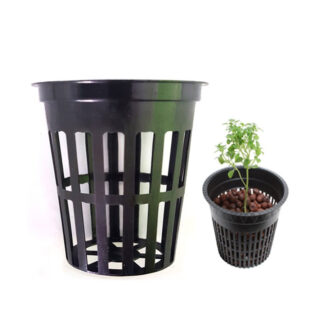
GROWPOTS PACK 20
R25.00
Remove All Items

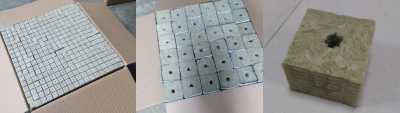
Rockwool Sheet 2.5cm x 2.5cm x 3cm

RockWOOL IN HYDROPONICS
While rockwool is relatively easy to set up and use, it does require some monitoring and irrigation adjustment to make the best of its ability to hold high levels of moisture and aeration at the same time. The main features of stone wool substrates is that they have little cation exchange capacity and they maintain their structure over a long period of time. In general, at field capacity, stone wool holds more water per unit volume than the other inorganic substrates and therefore has a greater buffering capacity. The larger reserves of a nutrient solution coupled with excellent drainage makes stone wool easier to handle as an inorganic substrate.

Common uses of Rockwool in horticulture:

Growing from Seed and cuttings–Rockwool is fantastic as a germination medium. Seeds have access to optimal quantities of water and oxygen at all times.

Plug Production/Transplants–Rockwool remains the core growing medium of the plant, so that even if planted into bags or pots filled with LECA or coco peat, the rockwool must be left undamaged significantly reducing the stress of transplant.

R85.00

Rockwool Sheet 2.5cm x 2.5cm x 3cm

Description

Mineral wool is a generic name for fibre materials that are formed by spinning or drawing molten minerals. The nomenclature of these wool products is simply the parent/raw material name in prefix to wool. Wool from glass is glass wool, wool from rock is stone wool and so on. Many people incorrectly believe that ROCKWOOL is a synonym for mineral wool. However, ROCKWOOL® is a registered trademark by the Danish company Rockwool International A/S. SA Horticulture does not sell ROCKWOOL, but other brands of stone wool. Mineral wool products can be engineered to hold large quantities of water and air that aid root growth and nutrient uptake in hydroponics; their fibrous nature also provides a good mechanical structure to hold the plant stable. The naturally high pH of mineral wool makes them initially unsuitable to plant growth and requires “conditioning” to produce a wool with an appropriate, stable pH.

Advantages of Rockwool

  • Excellent moisture retention
  • Has good aeration allowing roots access to oxygen
  • Light and very easy to work with
  • Purchased in a ready to use fashion
  • Does not degrade or breakdown over time
  • Consistency and reliability
  • Can be used from propagation to harvest.